Quick context: This article is designed for practical action. Read it once, then apply one strategy today.
How to Stop Mindless Scrolling at Night: A Sleep-Saving Guide
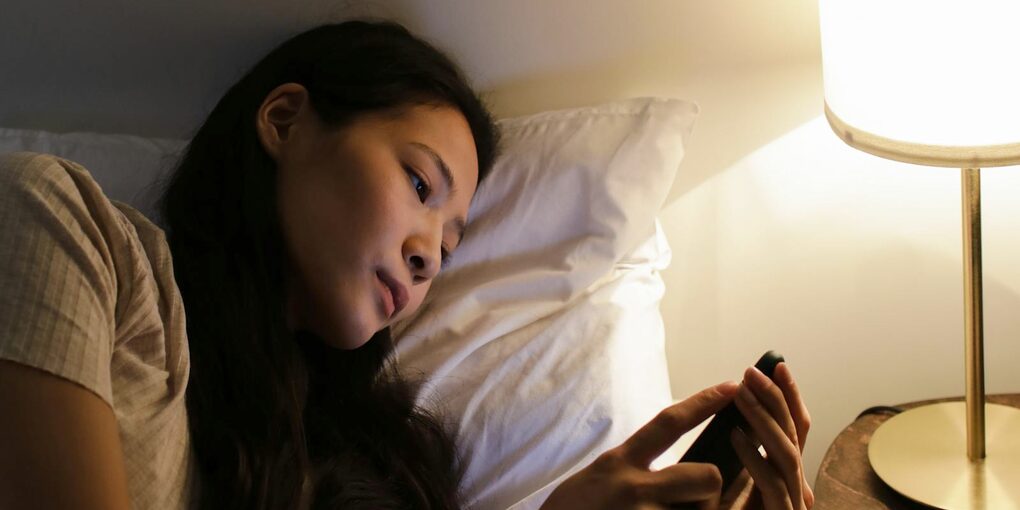
Most of us have been there. You get into bed fully intending to sleep, and then — almost without thinking — you pick up your phone. Thirty minutes or an hour later, you’re still going, and now you’re annoyed at yourself on top of being tired.
It’s an incredibly common habit. Surveys consistently show that the majority of adults use their phones in bed, and most of us know we’re losing real sleep over it. If you’re reading this, you probably already know the habit isn’t serving you. The question is what to actually do about it.
Why Bedtime Scrolling Is So Hard on Sleep
It helps to understand what’s happening when you scroll in bed, because it’s not just about “discipline.” There are a few things working against you at once.
Blue light messes with your sleep signals
Your phone screen emits blue light that mimics daylight. This suppresses melatonin — the hormone your body produces to tell you it’s time to sleep. So even when you feel exhausted, your brain is getting a conflicting signal that it’s still daytime. Sleep onset gets delayed, and the sleep you do get tends to be lower quality.
The content keeps your brain wired
Social media, news, short videos — they’re all designed to keep you engaged. They trigger dopamine and activate your brain’s reward system. The result is that you’re physically tired but mentally revved up, which is a terrible combination for falling asleep.
There’s no natural stopping point
Infinite scroll is a design feature, not a bug. There’s always another post, another video, another story. People consistently underestimate how long they spend on their phones at night — often by a wide margin. Five minutes becomes forty-five without you noticing.
The effects linger after you put the phone down
Even once you stop scrolling, it takes time for your brain to settle. You might lie awake longer than usual, sleep less deeply, wake up more often, or miss out on restorative REM sleep. And then the next day, you’re tired and more likely to reach for your phone for stimulation — and the cycle continues.
Keep Your Phone Out of the Bedroom
This is, honestly, the most effective single change you can make. If your phone isn’t within arm’s reach, you remove the decision entirely.
What this looks like in practice:
- Get a dedicated alarm clock (they’re cheap, and this eliminates the biggest excuse)
- Charge your phone in the kitchen, living room, or hallway
- Accept that the first few nights will feel a bit strange
When your phone is right next to you, willpower alone usually isn’t enough. Physical distance creates just enough friction to interrupt the automatic grab-and-scroll behavior. People who try this consistently report noticeably better sleep — it’s one of those changes that sounds small but makes a real difference.
Set a Digital Sunset
Pick a time 60-90 minutes before bed when screens go off. If you want to be asleep by 10:30, that means screens down by 9:00 or 9:30.
After your digital sunset:
- No phone, tablet, or computer
- No TV (or limit it to something genuinely low-key)
- Dim the lights around the house
- Do something that helps you wind down
A consistent cutoff time gives your brain a real transition period between stimulation and rest. Melatonin production can kick in naturally, and your nervous system can shift from alert mode to relaxation. It doesn’t have to be rigid — even a rough consistency helps.
Replace Scrolling with Something Else
Simply removing the habit without putting something in its place usually doesn’t stick. You need alternatives ready for when the urge hits.
Some options that actually work:
- Reading a physical book or a blue-light-free e-reader
- Audiobooks or podcasts (something calming, not true crime)
- Writing — about your day, tomorrow’s plan, or whatever’s on your mind
- Gentle stretching or yoga
- A few minutes of breathing exercises or meditation
- Prepping for the next day (clothes, lunch, bag)
- Talking with your partner or family, screen-free
It can help to keep a short list somewhere visible as a reminder, especially in the early days when the old habit is still strong.
Use Mindful Interventions
If keeping your phone in another room isn’t realistic for you right now, mindful interventions can bridge the gap. The idea is to create a moment of awareness before you autopilot into scrolling.
Pawse does this by showing a gentle reminder when you try to use your phone after your set wind-down time:
“Take a breath. It’s past your digital sunset time. Your sleep is more important than this app. Do you still want to proceed?”
You can always continue — it’s not a blocker. But that brief pause is often enough to snap you out of the automatic behavior and let you make a conscious choice instead.
Download Pawse to add mindful interventions to your nighttime routine.
Build a Bedtime Routine
Your brain responds well to routine. A consistent sequence of pre-sleep activities signals that it’s time to wind down, and over time it becomes almost automatic.
Here’s an example of a 60-minute routine — adapt it to fit your life:
- 9:00 PM — Screens off. Digital sunset.
- 9:05 PM — Dim lights around the house.
- 9:10 PM — Get things ready for tomorrow.
- 9:25 PM — Brush teeth, wash face, usual hygiene.
- 9:40 PM — 10 minutes of stretching.
- 9:50 PM — Read or journal.
- 10:10 PM — Lights out.
The specific activities matter less than the structure: screens off, prepare, hygiene, relax, sleep. Find what works for you and try to stick with it, weekends included.
Figure Out What You’re Really Looking For
This one’s worth sitting with. Bedtime scrolling often fills a need that isn’t about the content at all. If you can identify what you’re actually after, you can meet that need in a way that doesn’t wreck your sleep.
- If it’s boredom: Read something, listen to something, learn something — just not on your phone.
- If it’s loneliness: Make time for connection during the day so the need isn’t as sharp at night.
- If it’s anxiety: Write down what’s worrying you. Getting it out of your head and onto paper can genuinely help.
- If it’s decompression: Try non-screen options like music, tea, or a bath.
- If it’s escapism: That’s worth paying attention to. Even small steps to address what you’re avoiding during the day can reduce the pull at night.
Use Your Phone’s Built-In Sleep Features
Your phone already has tools designed to help with this. They’re not a complete solution on their own, but they’re worth turning on.
On iOS, go to Settings > Sleep and set a sleep schedule. This automatically enables Do Not Disturb and dims your screen during your wind-down period.
On Android, check Settings > Digital Wellbeing > Bedtime mode. It fades the screen to grayscale and silences notifications on a schedule.
Apps like Forest, Calm, and Headspace also have sleep-specific features that some people find helpful.
These tools work best as part of a bigger plan — they support the habit change, but they don’t replace it.
When It’s Not Working (and That’s Normal)
“Scrolling actually relaxes me”
It might feel that way, but what your phone is doing is closer to numbing than relaxing. The stimulation can feel soothing in the moment, but it’s actively preventing the kind of genuine wind-down your body needs for quality sleep. Try replacing it with progressive muscle relaxation, a breathing exercise, calming music, or reading fiction — activities that engage you without the blue light and dopamine hits.
”What about emergencies?”
This is a fair concern, but be honest about how often true bedtime emergencies actually happen. You can keep your phone in another room without silencing it — you’ll still hear a call. If you have a specific situation like a sick family member, a smartwatch that vibrates for critical calls is a good compromise.
”I just get bored”
That’s actually okay. Boredom at bedtime is your brain experiencing stillness, which feels uncomfortable when you’re used to constant stimulation. But stillness is part of how your brain processes the day and prepares for sleep. It gets easier with practice, and most people start to appreciate it surprisingly quickly.
”I’ve tried this before and it didn’t stick”
You’re not alone on that one. Willpower by itself tends to fail because it doesn’t change the environment. Combine a few strategies: charge your phone in another room, use Pawse’s time-based interventions, keep a written routine visible, and start small. Even 30 minutes phone-free before bed is a real starting point — you can build from there.
What to Expect
You probably won’t notice dramatic changes overnight. But within the first week or so, most people start falling asleep faster, sleeping more deeply, and waking up feeling more rested.
Over a month, the benefits tend to compound: more consistent sleep, better mood, improved focus during the day, and less of that wired-but-tired feeling.
And after a couple of months, it often stops feeling like an effort. It just becomes how your evenings work.
A Simple Starting Point
If you want to start tonight, here are three things that make a real difference:
- Set a digital sunset for 60 minutes before bed.
- Charge your phone outside the bedroom.
- Pick one alternative activity to have ready (a book, a journal, whatever appeals to you).
You don’t have to overhaul your entire evening right away. Small, consistent changes add up, and sleep is one of those things where even modest improvements ripple out into the rest of your day.
Related Reading:
- Stop Checking Phone First Thing in Morning
- Stop Scrolling TikTok Without Deleting
- How to Stop Reddit Scrolling
- How to Stop YouTube Binge Watching
- How to Reduce Screen Time: 10 Science-Backed Strategies
- How to Stop Phone Addiction
- Mindful Tech Interventions vs App Blocking
Take our free Phone Addiction Quiz to assess your nighttime habits and get personalized recommendations.
Keep Reading

